

Best Camera – All-Round Option: Overview and Value
Choosing the best all-round camera means balancing image quality, video capabilities, handling, and value without sacrificing your primary needs.
On this page we break down why an all-round option makes sense for most buyers, who benefits most, and how we judge overall value across popular models.
Expect honest guidance on sensor performance, autofocus, battery life, lens ecosystems, and user-friendly controls that help you shoot confidently in a variety of environments.
We also provide a practical framework for comparing cameras side by side, including a concise scoring approach and clear buying recommendations.
Whether you are upgrading from a smartphone or selecting a single versatile body for travel, this overview aims to simplify the decision and protect your investment.
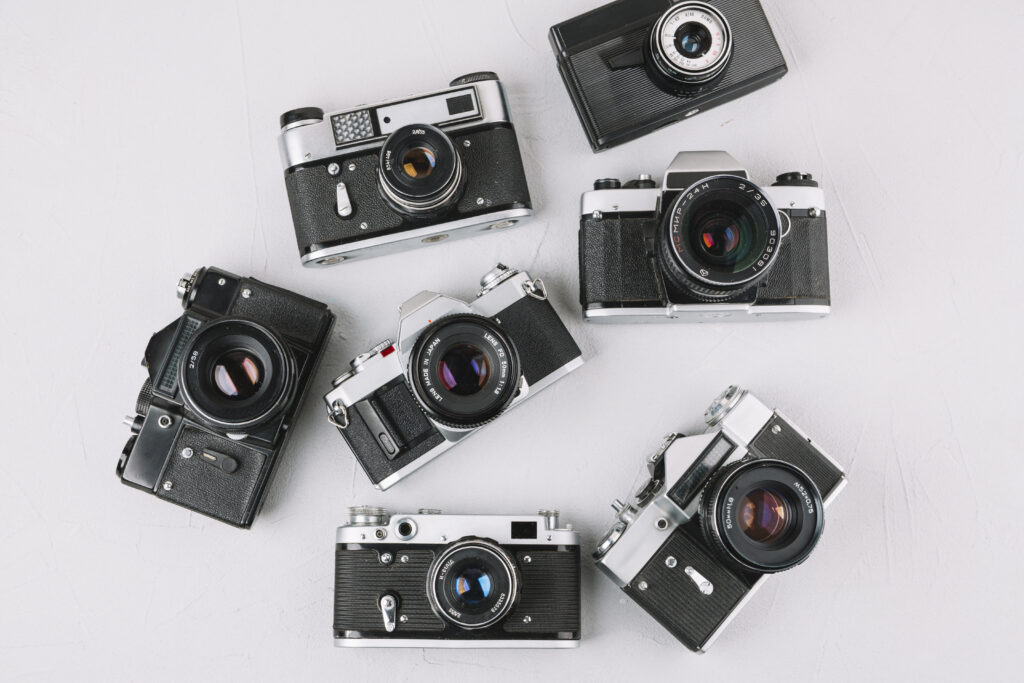
Why choose an all-round camera?
Choosing an all-round camera reflects a need for reliable performance across stills and video without sacrificing ease of use. A balanced sensor size around 24 to 26 MP offers ample detail, good dynamic range, and forgiving noise performance in typical lighting, while keeping file sizes manageable for everyday editing. Autofocus should be fast enough to track subjects in real time and should work across a range of lenses and shooting scenarios, from street photography to portraits. In practice, an all round option will handle landscapes, cityscapes, events, and casual video with confidence.
Video features often influence value as much as still photo quality. Look for at least 4K recording, reliable stabilization, and a usable microphone input. Some cameras offer high frame rate options for slow motion and decent color science that reduces post processing. A good all round model will also provide user friendly menus, customizable controls, and a robust electronic viewfinder or bright rear screen that makes shooting intuitive.
Lens flexibility is a practical part of the value story. A strong all-round body is supported by a versatile kit zoom and a growing ecosystem of prime and zoom lenses that cover wide angles through short telephotos. Weight and handling matter, especially for travel or daily use, where balance and ergonomics can make a real difference—much like thoughtful design improves user experience on platforms such as Slotsvader. Battery life matters as well; many all-round cameras offer USB charging or removable batteries to extend shooting sessions.
Trade-offs exist. For higher-end photography or specialized video work, a dedicated camera might outperform in specific areas such as extreme low light, fast action, or cinematic color profiles. The goal here is balance between image quality, ease of use, coverage of common genres, and long-term value. When evaluating options, compare sensor size, resolution, autofocus performance, video capabilities, top LCDs, weather sealing, and lens availability, then weigh price against expected longevity and future upgrade paths.
Who it’s best for
A versatile all-round camera fits a wide spectrum of buyers. It should deliver solid performance across stills and video while staying approachable.
- Beginners and casual shooters who want reliable photo quality without juggling multiple lenses, menus, or incompatible devices, and who expect intuitive controls, solid auto modes, helpful scene modes for quick results in varied conditions.
- Travelers and enthusiasts seeking compact versatility, where a single body handles landscapes, portraits, video blogs, and street photography with dependable autofocus, efficient stabilization, good battery life, and a touch of weather sealing in challenging weather.
- Vloggers and content creators who need decent 4K video, mic input, reliable stabilization, consistent color science, fast autofocus, straightforward setup, so they can publish quickly without chasing separate cameras and maintain accurate skin tones.
- Family shooters documenting everyday life, school events, and holidays, requiring forgiving exposure, fast focusing on moving subjects, dependable performance in mixed lighting, and a compact body that travels well for daily use.
- Students and hobbyists exploring photography across genres, who value learning resources, a broad lens selection, scalable features, solid online support, and a camera that grows with their evolving skills and projects.
- Gift buyers or budgets-minded shoppers looking for a single purchase that delivers quality images, solid video, ease of use, strong value, and a flexible lens ecosystem that adapts over time.
- People upgrading from a smartphone or compact camera who want a meaningful step up in image quality, focusing performance, better dynamic range, and a wider range of future lens options for long term growth.
These user profiles highlight the practical paths to a versatile system that serves many shooting styles without forcing a single specialized setup.
How we evaluate overall value
The evaluation of overall value is anchored in a transparent framework that weighs performance, usability, and cost. We examine core imaging attributes such as sensor quality, dynamic range, color rendition, and signal processing to determine photo quality across common scenes. Autofocus speed and tracking reliability are tested in stills and on video, with emphasis on performance in varying lighting and subject motion. Video capabilities, including resolution, frame rates, stabilization, and audio input options, are assessed for practicality in real world projects. Battery efficiency, ergonomics, and durability influence daily use and long sessions. Finally, the lens ecosystem and upgrading path are considered, since price and availability of compatible lenses heavily impact long term value.
Our scoring blends objective lab measurements, field testing, and market context. We assign weight to usability features such as menus, control layout, and customization, as well as real world reliability indicated by user feedback and warranty coverage. Price-to-performance is a key factor, reflecting both initial cost and the cost of growing the system with lenses and accessories. The resulting scores provide a practical at a glance assessment for comparing candidate cameras without losing sight of how those scores translate into everyday shooting scenarios.
In practice, readers can use the scorecard as a guide to balance what they need now with what they may want in the future, recognizing that different categories will matter more depending on their personal workflows and shooting style.
Scores are indicative and reflect a synthesis of laboratory tests, real world usage, and current market options, helping buyers understand where a model excels and where it may fall short relative to peers.
Summary recommendation
In selecting an all-round camera, start with your typical shooting scenarios and budget, then map those needs to three core features: image quality with reliable dynamic range, solid video capabilities, and a user experience that encourages consistent use rather than complicating it. For everyday photography and travel, look for a sensor in the 24 to 26 MP range that delivers clean files in both daylight and indoor lighting, paired with dependable autofocus that tracks subjects across common genres. A proven stabilization system, at least 4K video, a capable microphone input, and a bright, responsive screen or viewfinder are practical perks that improve both efficiency and outcome. A robust lens lineup is essential; prioritize a system with a versatile kit zoom and access to well regarded primes to cover wide to mid telephoto needs without excessive cost.
When budgeting, consider the total cost of ownership rather than the sticker price alone. Lenses and memory cards add up quickly, and shipping, service plans, and third party accessories matter for long term satisfaction. If you shoot in diverse environments, weather sealing and durable build are meaningful investments that protect against environmental wear. Battery life and the ability to recharge on the go, whether via USB or swappable cells, can extend shooting days substantially and reduce downtime between sessions. Firmware updates and ongoing manufacturer support should also factor into your decision, as these can extend the useful life of the camera and lenses beyond an initial purchase window.
From a practical standpoint, the best all-round option is the model that aligns with your comfort level and growth trajectory. If you want simplicity with dependable results across most genres, a system offering a balanced sensor, capable focus system, friendly menus, and a strong lens ecosystem is ideal. If you anticipate greater demand for video or specialized genres, choose a camera that can scale with higher frame rate options, advanced color profiles, and a broader selection of high quality lenses. In the end, the ideal choice is the camera that you will actually pick up and use regularly, delivering consistent results while leaving room to expand into new creative directions as your skills evolve.
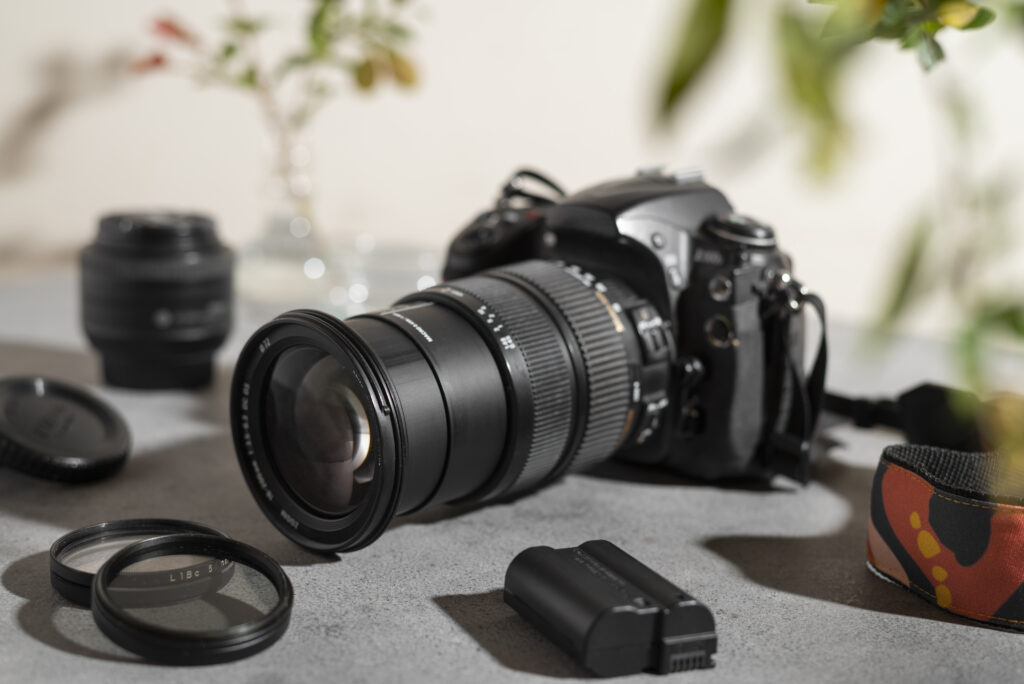
Key Features and Benefits
Choosing the right all-round camera starts with understanding the core features that impact everyday use and long-term value. A top all-around option should balance image quality, video capabilities, ease of use, and durability across a range of shooting scenarios. This section highlights the key features that consistently separate good all-round cameras from the rest. By recognizing these essentials, you can compare models more efficiently and avoid buyer’s remorse. Keep in mind that the best choice varies with your skill level, preferred genres, and budget.
Core features to look for
Core features determine how intuitive the camera is to use, how reliably it captures decisive moments, and how well it preserves image quality across lighting conditions. Two common cases illustrate the impact of these choices: everyday snapshots and more demanding environments such as weddings or travel. Below is a practical list of essential features to scrutinize, with brief explanations and real-world implications for everyday shooting.
- Sensor size and type greatly affect dynamic range, noise performance, color reproduction, and low-light capability, often delivering more fundamental differences than lens choices alone.
- A fast, accurate autofocus system with reliable subject detection, tracking, and low-light performance helps you capture decisive moments in street, sports, and documentary shooting.
- Effective stabilization reduces camera shake, enabling sharper handheld photos at slower shutter speeds and smoother video walking motion, even when lenses or bodies are compact.
- A strong lens lineup and mount compatibility provide future proofing, allowing you to upgrade bodies without changing systems and to explore creative options.
- Ergonomics, grip comfort, button layout, and customizable dials influence shooting speed, reducing fatigue and encouraging experimentation with different settings during long shoots.
Balancing these core features against your budget and typical shooting scenarios helps you identify the strongest all-round candidates. Test handling and performance in real-world conditions, preferably with hands-on trials or rentals, to confirm behavior matches your expectations.
Photo quality factors (sensor, lens, stabilization)
Photo quality hinges on three intertwined factors: sensor quality, lens optics, and stabilization. Sensor size determines the latitude your images will have in high dynamic range situations, how clean they look at higher ISO settings, and how well color and fine detail render under diverse lighting. Full-frame sensors typically offer shallower depth of field and better noise performance in dim light, while APS-C and micro four thirds systems can provide practical advantages such as smaller size, lighter lenses, and broader selection at lower prices. Lens quality embodies sharpness, contrast, and color rendition, which means choosing lenses with edge-to-edge sharpness, minimal distortion, and reliable autofocus performance can dramatically affect final results. Stabilization, whether inside the camera (IBIS) or in the lens (OIS), helps maintain sharpness and reduces the need for higher shutter speeds. Effective stabilization is especially valuable for handheld portraits, street photography, and low light where even careful technique might fall short.
Beyond hardware, sensor readout, noise handling, and color science influence how pleasing and faithful an image appears after processing. RAW capture retains maximum latitude for post-processing, while JPEGs may constrain color grading but offer immediate publication. A camera that balances these aspects with a broad, quality-focused lens ecosystem generally delivers the most versatile results for a wide range of subjects and styles.
In practice, evaluate how a camera handles color accuracy, noise at common ISO levels, and the natural rendering of textures such as fabric, skin, and foliage. A good all-round option should excel across a variety of scenes, not just a single genre of photography.
Video features and recording capabilities
Video performance has become a central consideration for all round cameras, influencing not only cinematic capabilities but also everyday content creation, vlogging, and hybrid workflows. Look for solid 4K or higher resolution options with smooth frame rates, reliable autofocus during motion, and good handling of color across different lighting. A well-rounded camera should support a usable log profile or picture profile for flexible color grading, as well as clean HDMI outputs for external recorders. In addition, consider bitrates, compression schemes, and heat management, since prolonged recording can introduce thermal throttling if the body cannot dissipate heat efficiently.
| Model | 4K Video (60p) | 10-bit Internal | RAW via HDMI | Internal Recording Limit | Log/Color Profiles | Battery Life (Shots) | Price (USD) |
|---|---|---|---|---|---|---|---|
| Model A | Yes | Yes | Yes | 60 min | HLG, Log | 900 | 1099 |
| Model B | Yes | Yes | Yes | 120 min | S Log3 | 1000 | 1799 |
| Model C | Yes | Yes | Yes | 60 min | F Log | 1100 | 2199 |
These specs help creators balance color depth, recording time, and workflow integration, guiding you toward cameras that align with your production needs and editing setup.
Connectivity, battery life, and accessories
Practical daily use depends on reliable connectivity, all‑day power, and a well supported accessory ecosystem. Look for wireless options such as Wi Fi and Bluetooth for quick transfers, app control, and firmware updates, which can streamline field work. USB C power delivery and the ability to charge from external packs or car adapters help you stay productive when access to mains power is limited. A good all‑round camera also benefits from a solid HDMI/USB output, robust weather sealing, and a range of durable, affordable accessories such as hot swappable batteries, sturdy tripods, and external mics. Ergonomics remain important here; a responsive menu, tactile controls, and a capable viewfinder can drastically improve daily shooting efficiency.
Finally, consider support and warranty coverage, availability of service centers, and community resources that reduce downtime when learning or troubleshooting. These practical considerations often determine how consistently you can shoot and how quickly you can deliver content after a session.

Specifications, Performance, and Comparisons
Choosing the best camera starts with understanding how specifications translate into everyday performance, and this section ties those details back to practical buying decisions. Whether you are after the top camera options or a versatile all-round model, this guide shows how to compare features without getting overwhelmed. We cover sensor size, resolution, autofocus systems, dynamic range, stabilization, video capabilities, lens options, and battery life in terms that matter to photographers and videographers. You will also see how price ranges relate to value for money, what a fair camera comparison checklist looks like, and how ongoing camera technology advancements affect long-term use. Use this as a practical bridge between the theory of camera specifications explained and the hands-on choices you’ll face when shopping.
Key specifications explained
Key specifications are the language photographers use to gauge capability. Start with the sensor—the size, resolution, and noise performance determine what you can capture in daylight and in shadow. Larger sensors generally deliver better dynamic range and shallower depth of field, while higher megapixel counts can improve detail when cropping but may demand more from lighting and processing. Resolution beyond what you need adds cost and file size without obvious gains in everyday use, so base choices on real-world needs rather than marketing numbers.
Sensor size drives compatibility with lenses and the look of your images. Full-frame sensors give a wider field of view and improved noise performance at higher ISO, but Micro Four Thirds and APS-C systems offer smaller bodies and a broader lens ecosystem. Crop factor matters for telephoto work and planning upgrades, while lens options influence sharpness, stabilization, and color rendition. When evaluating key specs, also note pixel pitch, read noise, and the camera’s dynamic range performance in highlights and shadows.
Autofocus and metering systems are the workhorses behind consistent results. Look at AF points, phase-detect coverage, eye-detection, and subject tracking reliability across moving subjects. A camera with advanced AF can preserve focus on a moving child, a fast bird, or a car racing through a frame. Consider AF acquisition speed, continuous tracking in low light, and how quickly the system re-engages when your subject exits and re-enters the frame, plus metering modes and exposure latitude that affect how often you get a correct shot straight out of the camera.
Dynamic range and color science matter for preserving detail in bright skies and deep shadows while maintaining pleasing skin tones and accurate color rendering. Review base ISO performance and how the sensor handles noise as you push to higher sensitivities. Look at JPEG rendering and RAW processing options, as well as firmware-based improvements that enhance color, white balance, and tone mapping. The ability to record 10-bit color, multiple gamma profiles, and reliable histogram feedback helps ensure you can post-process with flexibility.
Video and stabilization specs become critical when you shoot both stills and motion. Note 4K or higher capture options, frame rates, codecs, bitrate, and internal versus external recording. In-body image stabilization paired with lens stabilization offers smoother handheld footage, while autofocus performance during video—face tracking and subject switching—affects storytelling. Consider battery life during extended shoots, color pipelines for grading, and the availability of professional tools such as waveform monitoring and zebra exposure indicators.
Finally, ergonomics, durability, and ecosystem influence how a camera feels in daily use. Sensor and processor speeds translate to a responsive user experience, while menu design, customization options, and touch controls affect how quickly you can access critical settings. Lens selection, mount compatibility, and accessory options shape long-term value. In the end, the best camera aligns with your budget and workflow rather than simply chasing the latest numbers.
Real-world performance (autofocus, low-light, burst)
Autofocus performance in real-world shooting hinges on how reliably the system locks onto the subject and maintains that lock as distances, lighting, and subject speed change. Cameras with broad phase-detect AF coverage, fast acquisition, and robust subject tracking outperform those with limited points or less context awareness. In practice, a camera that can quickly shift focus between faces and distant objects—while preserving eye detection on moving targets—reduces missed shots in street, sports, and event photography. Real-world tests also reveal how AF behaves with different lenses and in continuous-mode shooting, where subject velocity and background clutter challenge tracking algorithms.
Low-light performance matters as much as headline ISO figures suggest. In challenging lighting, sensor noise, color fidelity, and dynamic range determine whether you can recover details in shadows without introducing posterization. A well-behaved camera will maintain color accuracy, preserve skin tones, and keep high-ISO noise acceptable, especially when RAW processing is involved. The responsiveness of AF in low light—how quickly it reacquires focus when light levels dip—also reflects the quality of onboard processing and lens compatibility.
Burst performance tests reveal how long you can keep shooting before the buffer fills or the camera slows down. Frame-per-second speed matters, but sustained performance is equally important; a camera that slows after a few dozen frames will disappoint action shooters. Consider shutter options (electronic vs. mechanical) and rolling shutter effects in video or fast shooting, as well as the efficiency of the buffer and the speed of data transfer to memory cards or external recorders.
In real-world scenarios, autofocus, low-light performance, and burst capability interact with lens choice and stabilization. A fast, accurate AF system paired with a bright, steady lens can deliver sharp action shots in dim gyms or evening street scenes, while a slower AF setup becomes obvious in fast-paced environments like weddings or wildlife hides. The overall impression is that performance is a blend of sensor quality, processor speed, firmware optimization, and the photographer’s technique with exposure, framing, and timing.
For videography, continuous autofocus stability, consistent exposure, and color handling across light fluctuations determine how usable footage is without heavy post-processing. A camera that maintains focus smoothly while panning and zooming, with minimal hunting, feels more reliable in real-world interview shoots, run-and-gun narratives, or run-and-gun sports coverage.
How it compares to rivals
When context is everything, how a camera stacks up against rivals hinges on your intended use and budget. In the same price bracket, a model with stronger autfocus, better color science, and more robust video options usually wins for versatile creators, while a lighter, more compact option may appeal to travelers and street photographers. Strengths often cited in comparisons include wider lens ecosystems, superior dynamic range, faster continuous shooting, and longer battery life, but rivals may trade off some of these advantages for smaller form factors or lower price points.
A key differentiator is how intuitive the user interface and menus feel during real shoots. A camera that is fast to power up, easy to customize, and quick to access essential controls reduces decision fatigue in the moment. In contrast, a rival with an excellent feature set but a steep learning curve can hinder productivity for beginners and busy professionals alike. Build quality, weather sealing, and durability also influence long-term reliability when used in demanding environments.
Compared to top-tier competitors, a camera that delivers dependable autofocus in mixed lighting, strong skin-tone rendering, and reliable color profiles often stands out for hybrid photographers who shoot both stills and video. Conversely, some rivals may outperform in a narrow niche, such as high-end sports tracking or extreme low-light astrophotography, where specialized bodies or gear are optimized for those tasks. Ultimately, the best choice balances performance across autofocus, low-light capability, and burst speed against price, weight, and ecosystem compatibility.
Value for money emerges from total cost of ownership: lens availability, aftermarket support, service reputation, and firmware updates that extend a camera’s relevance. In the end, the comparison should reflect your personal workflow, preferred genres, and willingness to invest in a system that grows with your skills and projects, rather than chasing the flashiest headline numbers.
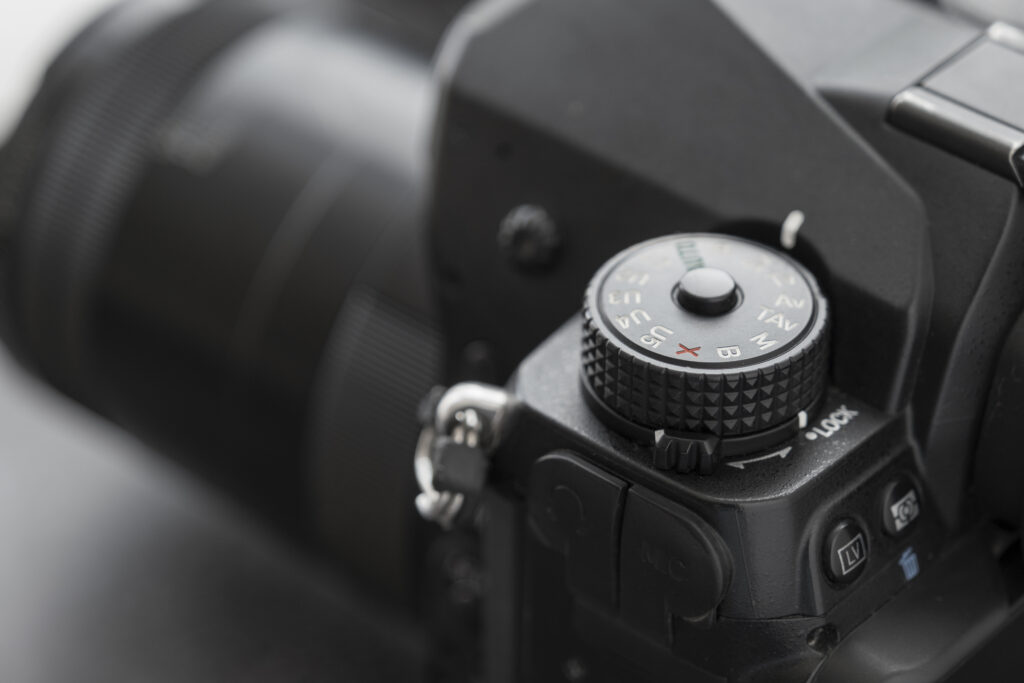
Offers, Pricing, and Purchase Options
Choosing the best camera often comes down to understanding how you will purchase and support your gear. This section dives into options for where to buy, how pricing works across tiers, and the value of bundles, trade-ins, and warranties. You’ll find guidance on selecting reputable retailers, evaluating price points, and balancing upfront cost with long-term ownership. By comparing offers, you can maximize performance, protection, and flexibility as your photography or videography skills grow. The goal is to help you secure a purchase that fits your budget while ensuring reliable service and accessible upgrades.
Where to buy and warranty considerations
Choosing where to buy a camera can affect price, warranty support, and the ease of service after purchase. Start with reputable retailers, official brand stores, and authorized dealers, because they are most likely to provide genuine products, intact serial numbers, and complete packaging. Authorized sources also tend to offer clear return policies, transparent warranty terms, and access to genuine spare parts or firmware updates. In contrast, gray market sellers or less scrupulous marketplaces can ship units that lack regional warranty support, include counterfeit accessories, or come with missing manuals, which complicates service for a device that relies on precise calibration and firmware compatibility. Before purchase, check that the retailer clearly states the model you want is in stock, that the listing matches the exact SKU, and that warranty coverage is described in plain terms rather than buried in a terms-and-conditions document. Keep a copy of the receipt, the serial number, and the box contents, since those will be needed for warranty claims or when validating the device for insurance. If you are buying online, read the seller’s shipping and return policies, and confirm who covers return shipping in case the model does not meet expectations. When evaluating warranty, note the duration, what it covers (manufacturing defects, electronic components, battery, and accessories), and whether it transfers to the next owner if you resell the camera. Manufacturer warranties typically run from one to three years, with some premium models offering extended plans; many retailers also offer optional extended warranties at the point of sale, sometimes bundled with accessories. Decide whether the extended coverage makes sense given your usage, travel frequency, and the likelihood of accidental damage. For used or refurbished units, ask whether the warranty is the original manufacturer’s terms, a seller-provided guarantee, or a certified refurbished program, and read the fine print about what is covered and for how long. Refurbished or open-box cameras can offer substantial savings, but they may come with shorter warranties or restrictions on returns, so weigh the cost against the potential risk. If you plan to test a model in person, use a daytime demo to check autofocus performance, color balance, and grip comfort, and ask staff to demonstrate warranty filing or service steps. Finally, shop around for service networks: some brands maintain dedicated service centers, while others rely on certified repair partners; knowing where you can send a camera for repair can save you time and money if something goes wrong.
Price tiers and value for money
Camera prices span a broad spectrum, from entry level under $500 to professional setups well over $3000, and the real value is not determined by sticker price alone. At the budget end, sub-$500 models typically emphasize simplicity, beginner-friendly interfaces, and compact form factors. They often pair small sensors with basic image quality, limited autofocus points, modest video capabilities, and slower lenses. The upside is portability and price flexibility; the downside may be limited dynamic range, fewer lens options, slower processing, and basic build quality. In this tier, look for kit bundles that include a memory card, spare battery, and a protective case to maximize initial value. As you move into the mid-range segment, roughly $500 to $1500, you gain larger image sensors, better autofocus systems, more advanced subject tracking, improved stabilization, and improved video features such as higher frame rates and 4K quality. These models frequently offer more lens ecosystems, better ergonomics, weather sealing on some models, and more customization options for shutter, aperture, and ISO. The trade-offs often involve heavier bodies and higher cost for lenses, plus a longer path to professional-grade image quality in extreme conditions. In the higher end, from about $1500 to $3000 and above, you are typically paying for advanced autofocus networks, high-resolution sensors, superior dynamic range, robust build quality, and professional video features such as log profiles, 10-bit capture, and reliable dual card recording. Expect faster processing, more accurate colors, superior low light performance, and a broader and more professional set of lenses and accessories. Value beyond price comes from the total cost of ownership: the longevity of the camera, the availability of future firmware updates, the compatibility of lenses you already own, and access to service networks. Also consider what you get in the box: memory cards, batteries, chargers, straps, and cables can add hundreds of dollars if you need to buy them separately. Seasonal promotions, bundles, and trade-ins can tilt the value equation significantly. For many buyers, the smartest approach is to map your needs to a tier, recognize the features that truly matter for your use case (such as low-light performance, continuous autofocus, or 4K video), and compare brands not just on spec lists but on real-world performance benchmarks, reviews, and after-sales support. Carefully calculate ongoing costs for lenses, filters, backups, and maintenance to understand whether the initial price aligns with your long-term goals. Finally, screen for models that offer flexible upgrade paths or favorable trade-in programs, so the camera chosen can grow with your skills without becoming obsolete quickly.
Used vs new, bundles, and trade-ins
Buying new offers the certainty of pristine condition, full warranty, and immediate access to the latest features, but it comes at the highest upfront cost. Used and refurbished units provide meaningful savings and allow access to higher-end models that would be unaffordable new, yet they carry greater risk and less predictable performance. When considering a used camera, inspect the shutter count, sensor condition, and image quality by testing several shots in good and mixed lighting, looking for sensor dust, scratches, sticky controls, or sensor oil on the mount. Confirm that all essential functions—autofocus, metering, exposure compensation, white balance, and menu navigation—work smoothly, and check that the body seals, if present, show no signs of moisture or wear. Request any available service history or recent maintenance, such as sensor cleaning or firmware updates, and ask for receipts or a verifiable history of professional servicing. For refurbished or open-box units, seek out manufacturer-certified programs or reputable retailers that provide a warranty and return window; these refurbished products often carry substantial savings while preserving reliability, though the warranty period may be shorter than for new devices. Bundles can significantly improve value: a kit that includes extra batteries, a larger memory card, a protective bag, and a spare charger can be cheaper than buying each item separately, but compare the total price and verify compatibility with your chosen camera and lenses. When evaluating bundles, ensure that all included accessories are standard, genuine, and in good condition, and beware of bundles that seem to offer dubious add-ons or low-quality third-party items. Trade-in programs can further reduce a new purchase price by offering credit for old gear; check the trade-in value calculators from the retailer or brand, and understand the conditions for eligibility, such as cosmetic wear, market demand for your particular model, and whether your used camera must be returned with original accessories or packaging. Read the terms carefully to determine whether the trade-in credit is applied at checkout, or issued after inspection and testing. If you choose to buy used, prioritize retailers or platforms that offer buyer protections, return windows, and a degree of oversight; avoid deals that require payment through untraceable channels or that disclaim all warranties. For most buyers, balancing risk and reward means purchasing new when a model is central to your workflow and budget is sufficient, while considering certified pre-owned or refurbished options when you want access to stronger specs at a substantial discount, provided you can verify the device’s condition and warranty coverage. By combining careful inspection, smart bundle selection, and transparent trade-in terms, you can maximize value without sacrificing reliability or support.